
Winter Resilience at Work

Protecting Energy, Immunity, and Performance
By March, the “fresh start” energy of the new year is gone.
Teams are deep into chasing Q1 targets. Performance conversations are underway. At the same time, we’re navigating the darkest stretch of the year — reduced daylight, increased illness, cumulative fatigue.
What I see in high performers, leaders, and professional services teams — is not lack of capability or resolve.
It’s nervous system depletion.
“Burnout is nervous system depletion.”
Winter is a predictable stress amplifier. The question is whether organizations respond proactively — or wait for burnout signals.
The Business Case: Why Late Winter Strain Matters
Burnout is not just an individual issue. It is a performance risk.

As shown in the Gallup engagement data above, employees who are disengaged and lacking strengths support are dramatically more likely to report high stress — up to 43% experiencing high stress compared to just 1% in strong, high-wellbeing cultures.
The takeaway is straightforward: workplace culture and management practices dramatically influence stress outcomes. When employees feel supported, engaged, and able to use their strengths, stress levels drop significantly.
This gap is not subtle. It is structural.
According to Gallup, employees who frequently experience burnout are:
Significantly more likely to be actively seeking another job
Less engaged
More likely to report reduced performance
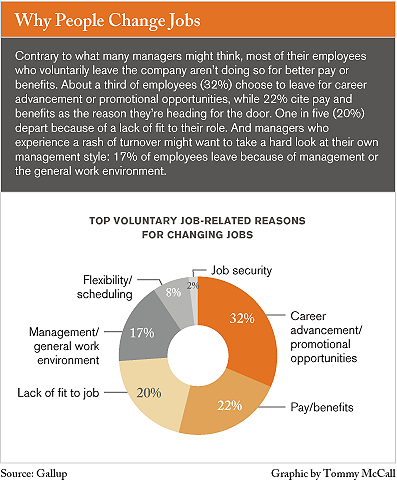
The job-change data reinforces this risk. While 32% leave for career growth and 22% for pay, a meaningful 17% leave due to management or general work environment — a controllable factor.
Seventeen percent may look small on paper. In a company of 1,000 employees, that represents 170 departures linked directly to workplace environment.
When leaders focus only on compensation or career mobility, they may overlook the day-to-day factors that shape employee wellbeing and retention.
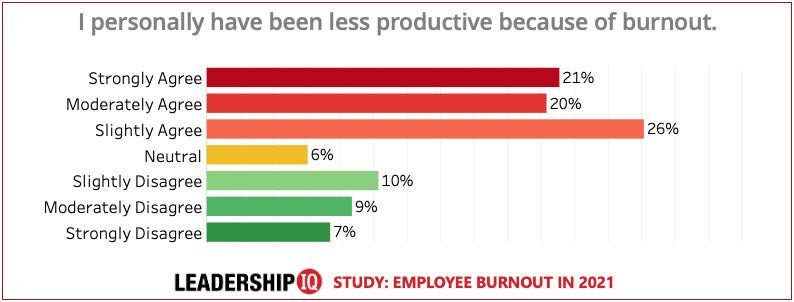
Burnout also affects performance long before employees leave. The data above shows that over half of employees report being less productive due to burnout, demonstrating that stress impacts not only retention but also day-to-day output and decision-making.
Replacing an employee can cost 50–200% of annual salary, depending on role complexity (Society for Human Resource Management).
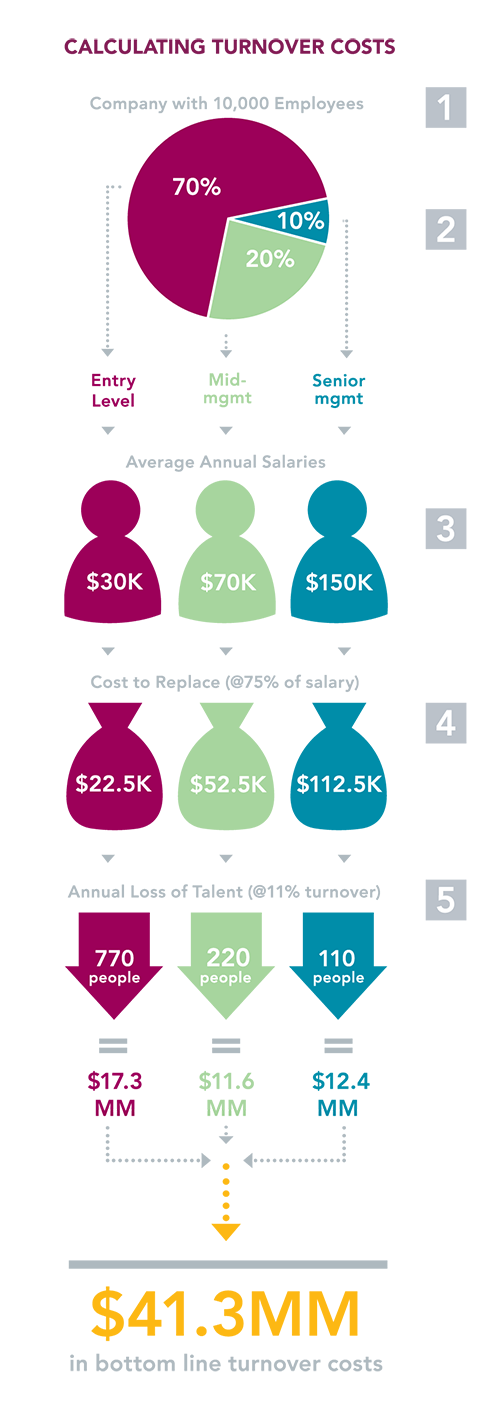
Cost of attrition
As the turnover cost visualization illustrates, even moderate attrition can translate into tens of millions of dollars in organizational cost for large companies when recruitment, onboarding, and lost productivity are considered.
And as the World Health Organization states:
“Burnout is an occupational phenomenon.”
That classification matters. Burnout is tied to workplace conditions — not personal weakness.
Late winter intensifies the drivers of burnout:
Reduced sunlight and circadian disruption
Immune strain
Accumulated stress load
Cognitive fatigue under Q1 pressure
This is not a motivation gap.
It is a physiological reality.
A Clinical Perspective: What’s Happening in the Body
From an Ayurvedic lens, late winter reflects accumulated cold, dryness, and mobility — qualities that destabilize the nervous system when unbalanced.
-
Sympathetic dominance (stress activation)
Shallow breathing
Poor digestion
Sleep disruption
Reduced emotional regulation
-
Irritability
Brain fog
Decision fatigue
Increased sick days
Disengagement
Resilience is not about pushing harder.
It is about stabilizing systems.
For Employers: Structural Adjustments That Protect Performance
Practical, measurable shifts — not “wellness perks.”
-
Default 50-minute meetings
Protect 5-minute transition space
Encourage pause before high-stakes discussions
Brief regulation breaks improve cognitive flexibility and reduce error rates. This protects performance during high pressure periods.
-
Minimize recurring late-day meetings
Encourage daylight exposure breaks
Model sustainable email boundaries
Sleep disruption correlates with reduced focus and increased mistakes. Winter already strains sleep; leadership culture can either worsen or buffer it.
-
Break large deliverables into weekly pacing
Build recovery into project timelines
Reinforce that sustainable output > heroic wins
This positions HR as proactive — not reactive — in protecting human capital.
-
Late winter calls for focused support such as:
Nervous system literacy workshops
Breath regulation for decision fatigue
Lifestyle design for sustainable performance
When framed correctly, this supports retention, engagement, and risk mitigation — and gives HR leaders measurable initiatives to report upward.
Action Plan: What Employees Can Do Immediately
These are clinical-level stabilizers adapted for professional life.
-
Warm lunches (soups, cooked meals)
Consistent meal timing
Reduce excess cold/raw foods during peak stress
Irregular eating destabilizes energy and mood. Consistency creates steadiness.
-
Dim lights earlier
Reduce stimulating media before bed
Take a warm shower or bath
Warmth activates parasympathetic tone — the recovery system.
-
Two minutes of slow nasal breathing between calls can:
Lower heart rate
Improve clarity
Reduce reactivity
This is not spiritual. It is physiological.
-
Late winter favours:
Walking outdoors in daylight
Mobility work
Mindful movement
Overexertion during cumulative stress increases immune vulnerability.
Stabilize first. Intensify later.
Executive Perspective: Why This Is Strategic
Winter strain is predictable.
Absenteeism, disengagement, and early turnover signals often rise in late winter — not because teams lack commitment, but because cumulative stress goes unaddressed.
Proactive seasonal resilience programming:
Protects cognitive performance
Reduces preventable burnout
Signals disciplined leadership
Safeguards retention costs
It is a comparatively low-cost intervention with measurable downstream impact.
Winter is not the problem.
Ignoring winter is.
If you are planning Q2 engagement strategy, this is the moment to support late-winter regulation — before attrition, fatigue, or disengagement become line items.
Because resilience is seasonal.
And sustainable performance is built in cycles — not just quarters.
Organizations that plan for seasonal pressure perform better through it.
Supporting resilience now protects the people—and the performance—you depend on.

About Daria Spokoinaia
Daria Spokoinaia is a workplace wellbeing consultant and Founder of Re:Move Wellness. She blends nervous system science, physiological tools, and Ayurvedic principles with a background in professional services to support high-performing teams in building sustainable resilience, emotional intelligence, and performance under pressure.
She works with organizations through workshops, seasonal programming, and leadership development initiatives — and also supports individuals as a Yoga Therapist addressing stress, burnout recovery, and nervous system regulation.
Interested in Implementing a Winter Resilience Strategy?
If you are planning Q2 engagement or retention strategy, this is the moment to act — before fatigue becomes attrition.
→ Inquire about Seasonal Resilience Programming
→ Book a Corporate Consultation
→ Explore Individual Yoga Therapy Support